
Adoption guide · 7 short guides
Adopting a cat
Everything worth knowing before, during and after adopting a cat.

Before you adopt · 2 min read
Adopting a cat
Every rescue does things a little differently, but most adoptions follow the same shape. Knowing it in advance makes the wait easier, and helps you ask the right questions.

Finding a cat
Start with the cats near you, and read each listing properly. A rescue’s description is usually written by someone who knows the cat: it may say a cat would like to be the only pet, needs a quiet home, good living with children, dogs or other cats, or has a health condition. If you have questions, ask the rescue before you apply.
A listing may say
- Would like to be the only pet
- Needs a quiet home
- Good with children, dogs or other cats
- Has a health condition
Many rescues care for their cats in foster homes rather than at a centre. You meet those cats after applying, not by dropping in.
Applying
Most rescues ask you to fill in a form about your home and your household: who lives there, other pets, whether you rent, and how close you are to a busy road. None of this is a test you pass by giving the “right” answers. It’s how the rescue matches each cat to a home where they’ll stay.
What the rescue asks about
- Who lives there
- Other pets
- Whether you rent
- How close you are to a busy road
Some rescues then arrange a home visit, in person or by video. It’s usually a friendly chat, and a chance for you to ask questions too.
Meeting the cat
If the match looks right, you’ll meet the cat. Don’t worry if they hide or ignore you: a shelter or a stranger’s foster home is a lot to take in. Ask the people caring for them what they’re like once they relax.
Bringing them home
When everyone is happy, you’ll agree a date, sign an adoption agreement and pay the adoption fee. Before the day, set up a quiet room with food, water, a litter tray and somewhere to hide. Our guide to the first weeks at home covers this.
If it doesn’t work out
Good rescues would rather you came back to them than rehomed a cat yourself. Most adoption agreements ask you to return the cat to the rescue if you can’t keep them.
Before you adopt · 2 min read
Kitten or adult?
Kittens are hard to resist, and they find homes quickly. Adult cats often wait much longer, even though, for many households, an adult is the easier choice. Neither is better: it’s about fitting the cat to your life.

Kittens
A kitten needs time and energy. Expect to:
- play several times a day, and kitten-proof your home (cables, open windows, small things to swallow);
- teach good habits, like scratching the post rather than the sofa;
- arrange vaccinations and neutering if the rescue hasn’t done them yet; many rescues will tell you when neutering is due, and some include a voucher;
- accept that you don’t yet know what their adult personality will be.
Adult cats
With an adult cat, what you see is mostly what you get. The rescue or foster carer can usually tell you whether they’re affectionate or independent, how they react to visitors, and whether they’ve lived with children, dogs or other cats. Adult cats are usually neutered, vaccinated and past the climbing-the-curtains stage.
What the rescue can usually tell you
- Affectionate or independent
- How they react to visitors
- Lived with children, dogs or other cats
An adult can be a good choice if you work, have young children, already have pets, or simply want a calmer companion. Many settle quickly once they feel safe.
Many rescues prefer to rehome kittens in pairs, or to homes with another young cat, so they have someone to play with. A kitten left alone all day can get bored and destructive.
Questions to ask yourself
- How much time is someone at home each day?
- Do you want to know the cat’s personality before you commit?
- Do you have other pets or young children who would suit a calmer cat?
- Could you take two kittens rather than one?
If you’re unsure, tell the rescue about your home and let them suggest a cat. They know their cats better than any listing can say. And consider an older cat too.
Tip: ask the rescue how the cat copes with visitors and noise.

Before you adopt · 2 min read
Older cats
Older cats are often the last to be chosen. Many have lost their home through no fault of their own: an owner who died or moved into care, or a change in someone’s circumstances. A lot of them have years of contentment left to give.
What “older” means
Cats are commonly thought of as senior from about eleven years old, and many live well into their late teens. A cat of ten or twelve may have a good many years ahead.
Why an older cat
- You know who you’re getting. Their personality is settled, and the rescue can tell you what they’re like.
- Calm company. Most older cats are happy with a quiet home, a warm lap and a sunny windowsill.
- They fit quieter homes. An older cat can suit someone who is retired, works from home, or simply prefers a gentler pace.
- You change everything for them. Older cats often wait much longer than kittens to be chosen.
Things to think about
Vet care
Older cats are more likely to have, or develop, conditions such as kidney or thyroid problems, arthritis or dental disease. Many are well managed with medication or diet. Ask the rescue what’s known about the cat’s health and treatment, and what it costs to keep up.
Insurance
Some insurers limit or exclude cover for older cats or existing conditions. Compare policies before you adopt, and consider setting money aside instead.
Their comfort
Low-sided litter trays, food and water within easy reach, soft beds in warm spots, and steps or ramps to favourite places all help.
Adoption fees
Some rescues reduce the fee for older cats, or run senior adoption schemes. Some also help with the cost of ongoing treatment. It’s worth asking.
“Giving a cat a peaceful later life is its own reward.”
The time you’ll have
Adopting an older cat does mean less time together than with a kitten, and that can feel daunting. Many people who have done it say the years were worth it, and that giving a cat a peaceful later life is its own reward.

Before you adopt · 1 min read
Bonded pairs
Some listings show two or more cats together. These are bonded cats: littermates, cats who have grown up together, or cats who have become inseparable in care. Rescues rehome them together, and most won’t split them up.
Why rescues keep them together
Bonded cats rely on each other. They groom each other, sleep curled together, and take comfort from each other in new places. Separating them can cause real distress: some cats stop eating, hide, or take much longer to settle without their companion.
“A bonded pair often settles into a new home more quickly than a single cat, because they arrive with a friend.”
What it’s like
Company while you’re out
Two cats keep each other entertained, which suits homes where everyone works.
Twice the personality
You’ll see them play, groom and squabble like siblings.
Fewer behaviour problems
A bored single cat can become destructive; a pair is less likely to.
What to plan for
- Costs. Food, litter, insurance and vet bills are for two. Some rescues charge a reduced fee for a pair.
- Space. Two litter trays (the usual advice is one per cat, plus one), two feeding spots, and enough beds and hiding places so neither has to compete.
- Time apart at the vet. Cats can briefly fail to recognise each other after a vet visit. Keeping them together, or bringing both, helps.
On our listings
When a listing shows two or more cats, they’re rehomed together. The listing gives each cat’s age and sex where the rescue does, and the rescue’s description usually explains how the cats came to be together.
Bringing them home · 2 min read
Settling in
How to give a cat a calm start: a safe room, time, and patience, and when to let them outside.
A new home is a big change for any cat, and many cats in rescue have had several changes already. The first few weeks set the tone. Go slowly: a cat who is given time usually settles faster than one who is rushed.

Before day one
Before they arrive
Choose one quiet room as their base, away from the front door and the busiest part of the house. Put in:
Their room
- food and water, away from the litter tray
- a litter tray, ideally with the same kind of litter the rescue uses
- somewhere to hide: a covered bed, a cardboard box on its side, or space under a bed
- a scratching post and a few toys
- the carrier, left open, so it becomes somewhere safe rather than something scary
Ask the rescue what food the cat is used to, and keep to it at first. If you change food later, do it gradually.
Day one
The first days
Open the carrier in their room and let them come out when they’re ready. Hiding is normal; so is not eating much on the first day. Sit quietly in the room, read or talk softly, and let the cat come to you. Don’t pull them out of a hiding place.
Keep visitors, children and other pets out of the room until the cat is exploring with confidence. When they are, open the door and let them discover the rest of the house in their own time.
Over days or weeks
Other pets
Introduce other cats and dogs slowly, over days or weeks rather than minutes. Start by swapping bedding so they learn each other’s smell, then short meetings through a door or gate, then supervised time together. The rescue can advise you for the particular cat.
- Swap bedding
- Short meetings through a door or gate
- Supervised time together
After two to four weeks
Going outside
If your cat will go outdoors, keep them in for the first few weeks so they learn that your home is their home. Rescues commonly suggest two to four weeks, sometimes longer, so follow the advice for your cat. Let them out first just before a meal, when they’re hungry and likely to come back, and stay with them for the first few trips.
Practical first steps
- Update the microchip registration with your details. The rescue will tell you how.
- Register with a vet, and book a check-up if the rescue recommends one.
- Arrange insurance from day one if you’re going to have it.
When to ask for help
Most cats settle within a few weeks, though some take months. If a cat stops eating for more than a day, stops using the litter tray, or seems unwell, call a vet. For behaviour worries, your rescue is a good first call: they want this to work as much as you do.
Tip: keep the food the rescue used for the first week.
Bringing them home · 2 min read
Indoor or outdoor?
The case for each, the cats that need to stay indoors, and what rescues look for when they ask about roads.
In the UK, most cats go outdoors, and many rescues expect it. But an indoor life suits some cats well, and some cats need one. The right answer depends on the cat and on where you live.
Going outdoors
Outdoor access gives a cat exercise, interest and a chance to behave like a cat: exploring, climbing and watching the world. The risks are real too: traffic above all, and fights, disease and getting lost.
Why rescues ask about roads
Many won’t rehome a cat to a home near a busy road or a railway line. It isn’t a judgement on your home, just the single biggest danger to an outdoor cat.
Living indoors
An indoor cat avoids traffic and most fights, but needs more from you: daily play, things to climb and scratch, places to watch from, and a home that changes enough to stay interesting. Indoor cats can become bored, stressed or overweight without that.
What an indoor cat needs from you
- Daily play
- Things to climb and scratch
- Places to watch from
- A home that changes
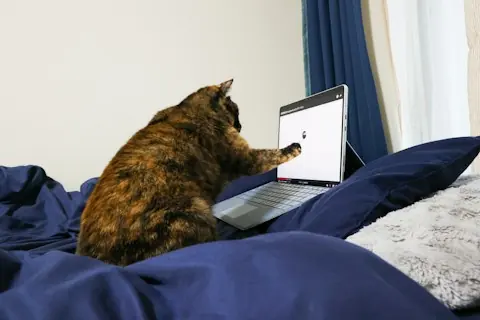
Some cats are better kept indoors
Some cats are better kept indoors, or with only safe outdoor space. A rescue may say so for a cat who:
- has a health condition that needs managing, or who has FIV
- is deaf or partly sighted
- has always lived indoors and is nervous outside
- is elderly and less able to cope with roads and other cats
The middle ground
A cat-proofed garden, an outdoor enclosure (a “catio”), or supervised time in the garden can give an indoor cat fresh air and interest without the roads. If you’re in a flat or near a busy road, ask rescues about cats who would be happy with that.
- A cat-proofed garden
- An outdoor enclosure (a “catio”)
- Supervised time in the garden
“When a listing says a cat must be indoors, or must go out, that’s the rescue’s judgement about that cat.”
Reading the listings
If a listing doesn’t say, ask. The best match is a cat whose needs fit the home you actually have.
Health · 2 min read
FIV
FIV-positive cats often wait longest for a home. What the virus is, how it spreads, and what living with an FIV cat involves.
Cats with FIV are often passed over, usually because people don’t know what it means. Many FIV-positive cats live long and healthy lives. This guide covers the basics; the rescue and your vet can tell you about a particular cat.

Good to know
It only affects cats.
FIV can’t be passed to people, dogs or other animals.
What FIV is
FIV stands for feline immunodeficiency virus. Over time it can weaken a cat’s immune system, making them less able to fight off other infections. Many FIV-positive cats show no signs of illness for years, and some never do.
How it spreads
FIV spreads mainly through deep bite wounds, the kind that happen when cats fight. That’s why it’s most common in unneutered male cats who have lived outdoors. It’s far less likely to pass between cats who live together peacefully. A rescue will usually advise on whether a particular FIV cat can share a home with other cats, and which ones.
Living with an FIV-positive cat
Regular vet check-ups
Regular vet check-ups, so problems are caught early. Many vets suggest a check every six months.
Prompt treatment
Prompt treatment for any illness or infection, even something minor, because their body may struggle to fight it.
Good diet and parasite care
A good diet, and keeping them up to date with flea and worm treatment.
Indoors or a secure garden
Often, indoor life or a secure garden. Many rescues recommend this, both to protect the cat from infections and to avoid passing the virus to other cats through fighting. See indoor or outdoor.
Insurance and costs
Some insurers exclude FIV-related treatment, or won’t cover an FIV-positive cat at all. Check before adopting. Some rescues offer support with vet costs for FIV cats; ask.
Why consider an FIV cat
FIV-positive cats are often affectionate, calm adults who have been waiting a long time. With the right home and good vet care, many live as long as any other cat. If a listing mentions FIV, read it with an open mind, and ask the rescue what the cat is like.